Your Parkinson’s Risk is Real
But it’s not too late to take action.
Research Shows...
Over 85% of people who get Parkinson’s do not have a genetic risk factor.
Instead, studies increasingly link Parkinson’s to chemical pollutants like the pesticide Paraquat and degreaser trichloroethylene (TCE).
Parkinson's Could Be You
IN OUR WATER 💧
Cleaning chemicals TCE and PCE are strongly linked to Parkinson’s, and they're lurking in the drinking water of 14 million Americans, including many in the Hudson River Valley.
There are some state-wide bans on TCE and PCE, but the US still uses 250 million pounds of TCE annually, while PCE remains a common dry-cleaning agent in most states.
ON OUR CROPS 🌾
Insect killers like Paraquat and chlorpyrifos increase Parkinson’s risk, and they’re sprayed extensively on US crops - as well as on imported produce and wine vineyards.
A 2024 study found that ~20% of common produce items contained dangerous levels of pesticides. Kale, blueberries, potatoes, and bell peppers were the worst culprits.
IN OUR AIR 💨
23 million Americans live within a mile of a known Superfund site, and both PCE and TCE evaporate from below and pollute indoor air a mile away.
In the US, pesticide spraying on golf courses is often 15 times the max in Europe, and research shows people living within 3 miles of a US golf course have a markedly increased risk of Parkinson’s.
Join the movement 💪
Help PMD Alliance & PD Avengers dispel harmful Parkinson's myths and create pathways to better care for the global PD community!
Your donations go directly to programs serving those living with Parkinson's, those at risk, and the healthcare professionals who care for them.
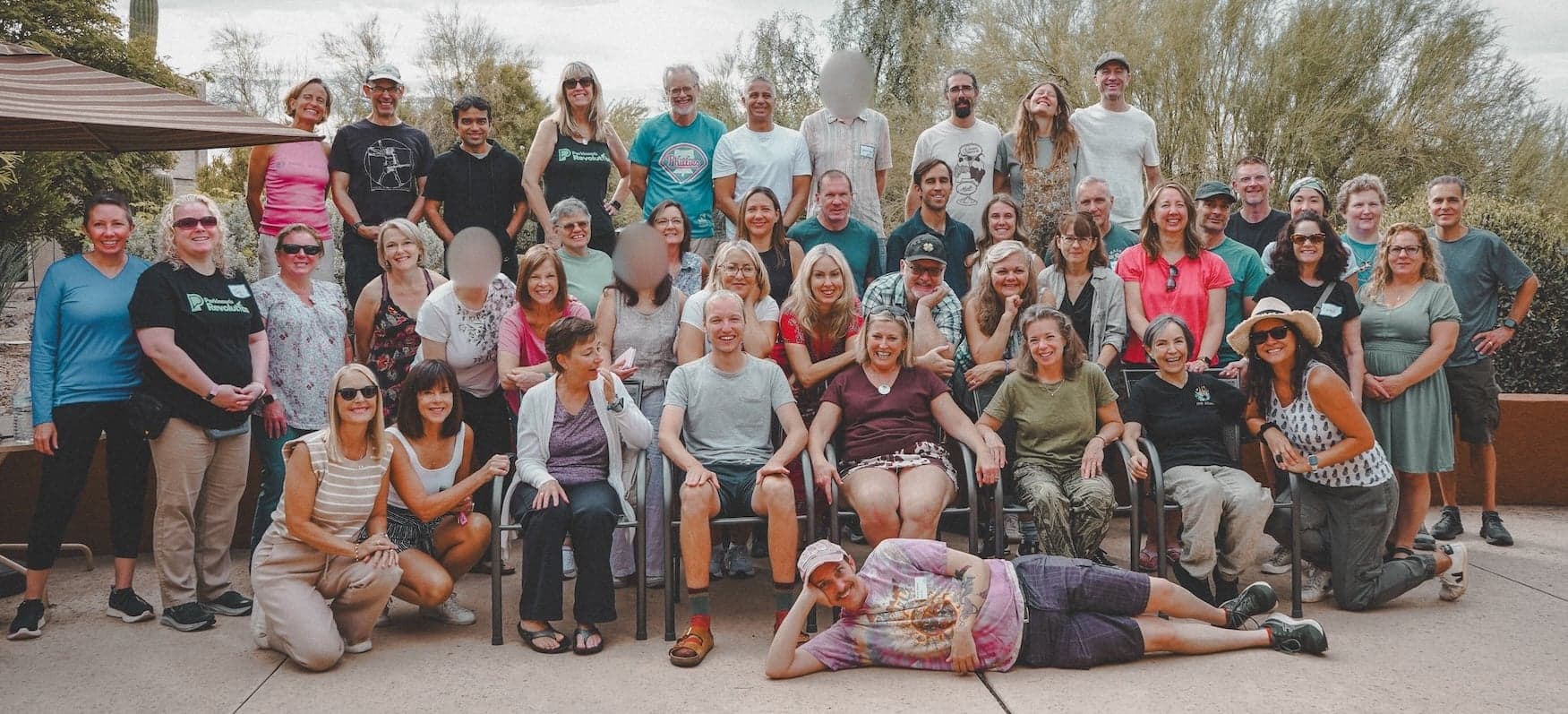
Who We Are
Meet PMD Alliance
We are Parkinson & Movement Disorder Alliance, and we provide essential resources to those living with a movement disorder diagnosis and to the loved ones and professionals supporting them.
Meet PD Avengers
We are PD Avengers — Global Alliance to End Parkinson’s — a patient-led movement, uniting people around the world to demand change, drive progress, and ultimately end Parkinson’s disease.